Conference speakers

The HTA-CA Annual Conference brings together leading hand surgeons and expert hand therapists to share research, insights, and collaborative approaches that advance clinical practice and patient outcomes.
April 18–19, 2026
Grand Bay Hotel San Francisco, 223 Twin Dolphin Drive, Redwood City, CA
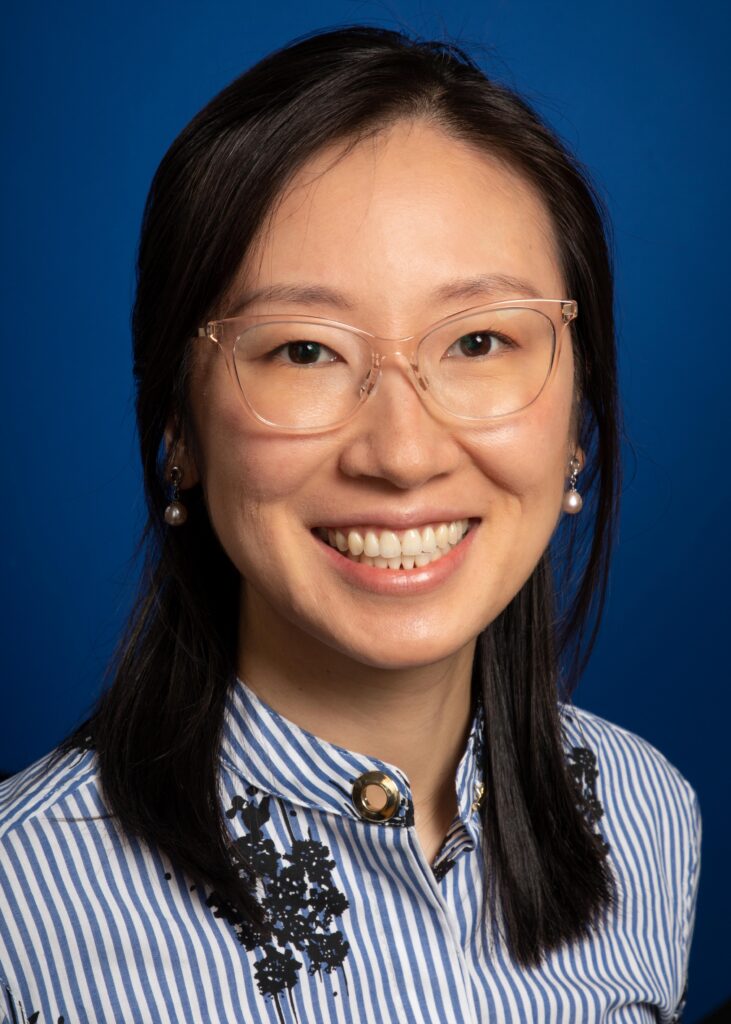
Qianwei (Stella) Wang, OTR/L CHT MScOT

Senior Occupational Therapist: Kaiser Santa Clara Medical Center, 3D printed thumb stabilization orthosis

Qianwei (Stella) Wang, MScOT, OTR/L, CHT is a certified hand therapist with over a decade of experience in upper-extremity rehabilitation. She currently practices at Kaiser Permanente in Santa Clara, where she treats a broad range of orthopedic, post-surgical, and complex hand and wrist conditions. Her clinical expertise includes fracture management, tendon and ligament repairs, arthroplasties, peripheral nerve injuries, and complex trauma.

Stella has advanced skills in custom orthotic fabrication, manual therapy, physical agent modalities, kinesiotaping, and innovative applications of 3D printing for finger and thumb stabilization. She is the owner of a virtual occupational therapy practice focused on joint hypermobility and orthotic solutions and has a strong interest in integrating technology into clinical care.

She is actively involved in the hand therapy community, serving on the board of the Hand Therapy Association of California and presented in national and international conferences on orthotic design. Stella is currently a lecturer in the Occupational Therapy Department at San José State University, where she teaches functional kinesiology.

Learning Objectives:

Being resourceful: Getting the most out of splinting materials
 
Joint with Minnie and Stella. Duration: 15 minutes
  • Introduce potential alternative uses of splinting materials including silicone elastomer and splinting strapping
  • Discuss ways to maximize thermoplastic splinting material property in the fabrication of static progressive and dynamic orthoses
Minni Mau

Minnie Mau OTR/L, CHT

Occupational Therapist, Certified Hand Therapist Department of Outpatient Hand Therapy Stanford Health Care
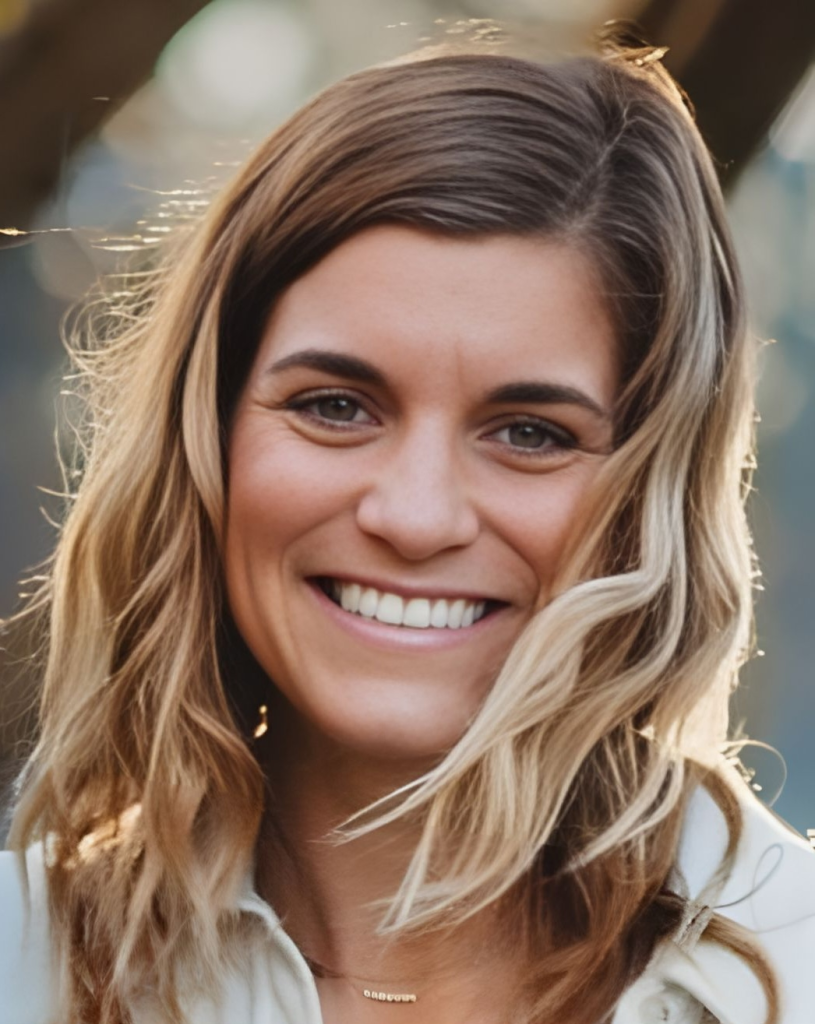
Minnie is a nationally certified Occupational Therapist and Certified Hand Therapist who received her Master of Science degree from New York University. Prior to joining the Stanford Hand Therapy team in 2015, she worked in hand therapy practices in Oakland and San Francisco. She has been actively involved in the Hand Therapy Association of California as a committee member since 2012. She is a clinical faculty member for the AOTA-accredited Stanford Hand Therapy fellowship program and enjoys mentoring and teaching opportunities with the Stanford Rehab Department and Stanford Medical School. She is a member of AOTA, ASHT and HTA-CA.

Learning Objectives:

Being resourceful: Getting the most out of splinting materials
 
Joint with Minnie and Stella. Duration: 15 minutes
  • Introduce potential alternative uses of splinting materials including silicone elastomer and splinting strapping
  • Discuss ways to maximize thermoplastic splinting material property in the fabrication of static progressive and dynamic orthoses
Mione

Lauren Perlmutter Mione, MSOT, OTR/L, CHT

Occupational Therapist at Milliken Hand Rehabilitation Center, Certified Hand Therapist
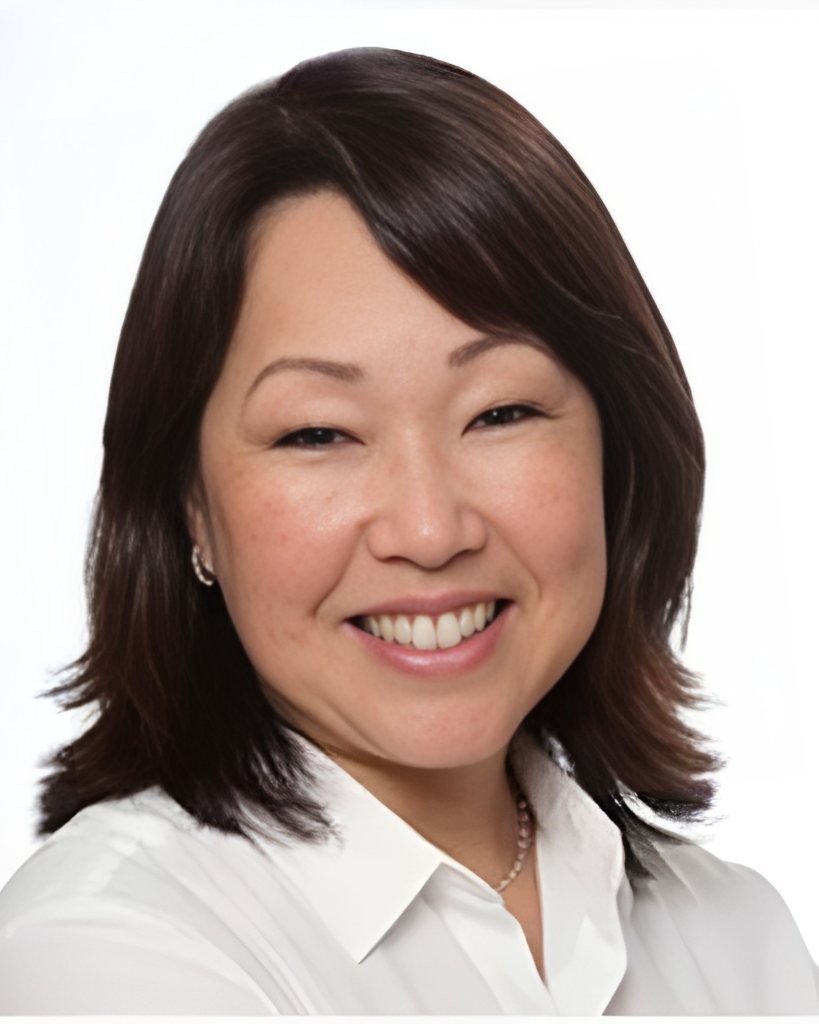
Lauren Mione is an occupational therapist and Certified Hand Therapist. She received her undergraduate degree from Washington University in St. Louis in 2012 and her master’s degree in occupational therapy from Tufts University in 2015. She currently works at Milliken Hand Rehabilitation Center associated with Washington University In St. Louis. Prior to Milliken, she worked at Franciscan Children’s Rehabilitation Hospital in Boston and Shriners Hospitals for Children St. Louis. Lauren focuses on treating athletes of all levels, as well as children and adults dealing with trauma, fractures, arthritis, tendon and nerve injuries. Lauren has a niche expertise in working with children with congenital differences, and she also provides rehabilitation for individuals undergoing breast cancer treatment and reconstruction. In addition to her clinical practice, she collaborates with mission trip groups to provide evaluation and treatment for children and families in the Caribbean islands. As the Social Media Committee Lead for the ASHT Outreach Division, she helps create dynamic content to drive membership engagement, highlight ASHT’s offerings and initiatives, and increase public awareness of hand and upper extremity care. Outside of work, Lauren enjoys spending time with her husband and two children, running and tennis, baking, and creating graphic design.

Learning Objectives:

Complex Hand Trauma Rehabilitation: Balancing Tissue Protection and Functional Recovery

  • Analyze competing healing priorities across multiple tissues following complex
    hand trauma
  • Improve understanding of when early motion and functional use can be safely
    introduced following multi-structure hand trauma.
  • Recognize rehabilitation decisions that may increase risk of adhesion, stiffness,
    and loss of functional use after complex hand trauma.

Jennifer Chan, OTR/L, CHT

OT and Pediatric Hand Therapist at Lucille Packard Children's Hospital
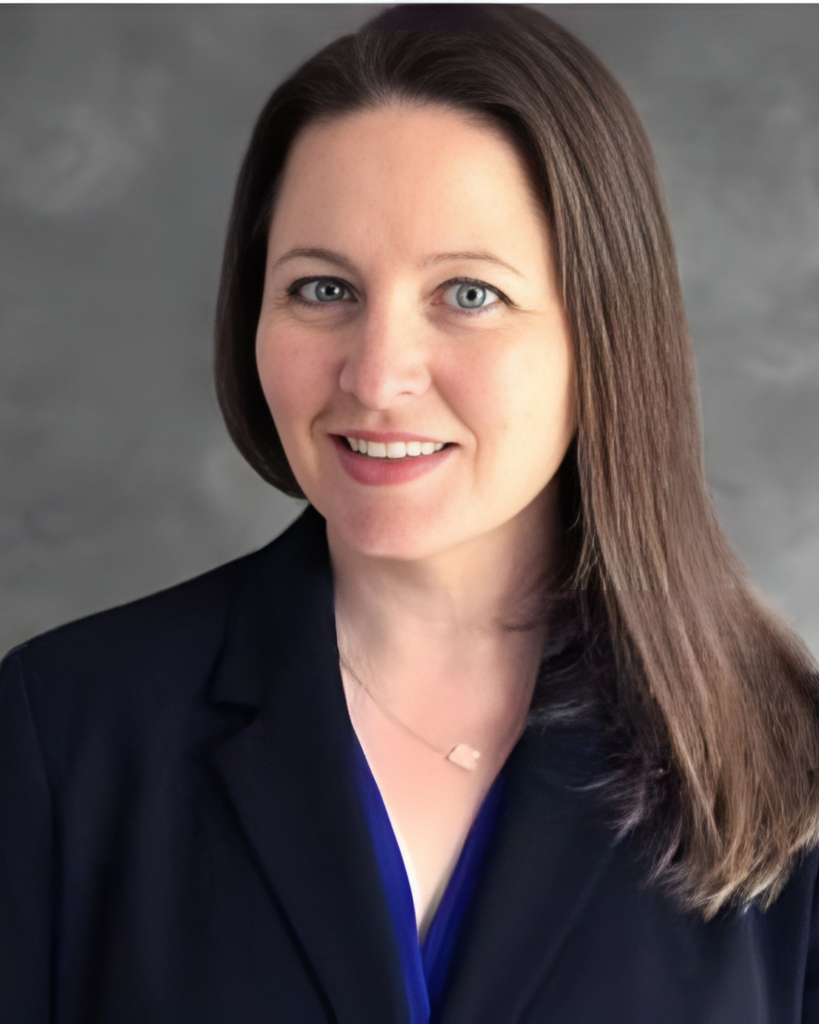
Jennifer Chan is an occupational therapist and certified hand therapist working at Lucile Packard Children’s Hospital Stanford. A graduate of the University of Washington, Jennifer has been an occupational therapist for almost 40 years. Jennifer’s career has primarily been in the provision of OT/hand therapy for pediatric patients in hospital and outpatient settings. Her role at LPCH includes treating patients with congenital hand differences, brachial plexus injuries, post traumatic injuries, and participating in a specialty clinic for patients with epidermolysis bullosa (EB). 

As a hand therapist, Jennifer works closely with the patient’s medical team including surgeons, physicians, support staff, and caregivers. Working collaboratively to motivate patients to improve their hand function and enfold the caregivers as part of the rehabilitation team provides opportunities and challenges. Strategies often need to be play based, creative, and unique. 

Jennifer has participated in overseas medical missions to southeast Asia and Africa and has presented on topics of pediatric hand therapy and provision of OT and hand therapy for persons with EB. She has participated in the development and authorship of an international clinical practice guideline for occupational therapy for EB. One of Jennifer’s goals is to help to establish a platform for training hand therapists on congenital hand diagnoses and the provision of hand therapy to the pediatric population and their families.

Learning Objectives:

From Injury to Play: Collaborative Care in Pediatric Hand Trauma

  • Describe pediatric specific anatomic and developmental factors that influence injury
    patterns, healing and therapy progression
  • Recognize common pediatric hand injuries and understand typical surgical management
    and hand therapy needs
  • Identify red flags during therapy that warrant urgent communication with the surgeon
  • Design age-appropriate rehabilitation strategies that balance protection, motion and play
  • Anticipate and manage common complications including stiffness, hypersensitivity, scar
    issues and growth-related changes
  • Collaborate effectively with surgeons and families to optimize functional outcomes.

Congenital Hand: Small Hands, Big Decisions: Surgery and Therapy for Congenital Hand
Differences

  • Describe common congenital hand differences and their functional implications
  • Explain the goals and timing of congenital hand surgery and how surgical decision-
    making is influenced by growth, development and function.
  • Recognize surgical procedures used for common congenital hand conditions and
    understands how these procedures impact postoperative therapy
  • Apply evidenced-based therapy principles in the preoperative and postoperative
    management of patients with congenital hand differences.
  • Anticipate typical therapy challenges and complications following congenital hand
    surgery and identify strategies to address them
  • Counsel families and patients using developmentally appropriate, function-
    focused language that supports long-term participation and quality of life.

Margaret Cooke, MD

Clinical Assistant Professor, Orthopaedic Surgery
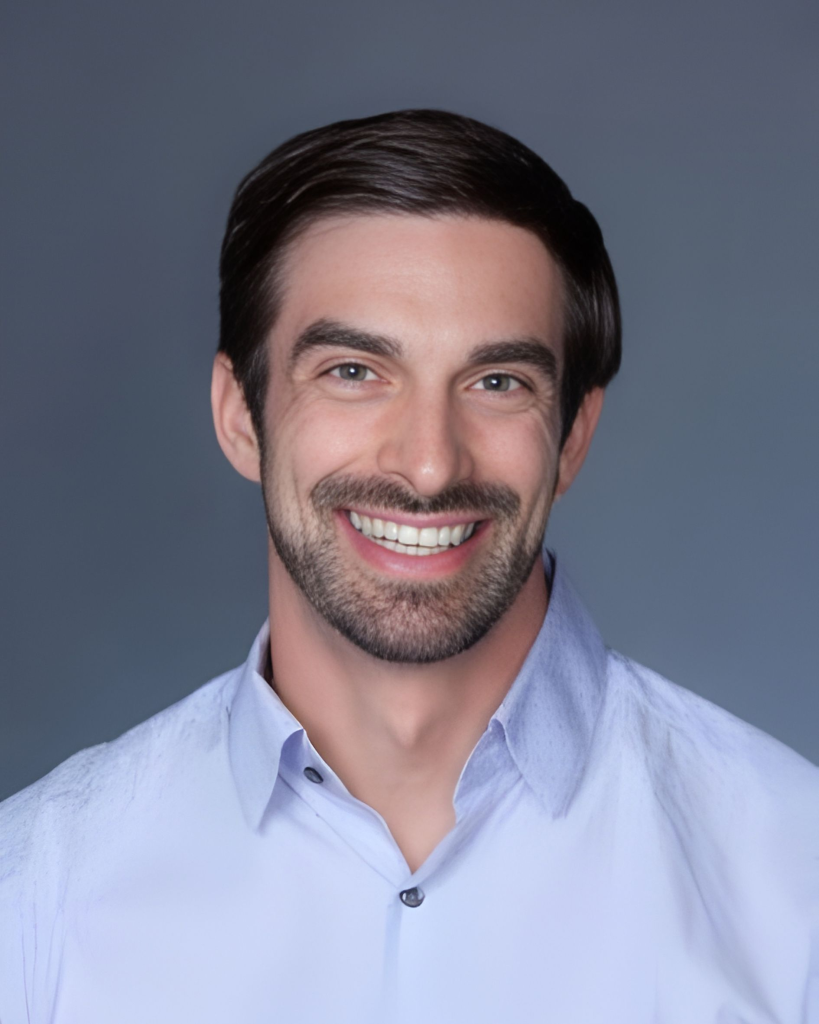
Dr. Cooke is a clinical assistant professor in the Department of Orthopaedic Surgery at Stanford University School of Medicine. She has a strong clinical interest in hand, wrist, and elbow surgery for adult and pediatric patients. She is dual fellowship trained in Hand & Upper Extremity Surgery and Pediatric & Congenital Hand Surgery.

As an orthopaedic surgeon, Dr. Cooke’s goal is to alleviate pain and improve hand, wrist, and elbow function so that her patients can return to the activities they enjoy. Her primary clinical interests are nerve compression (carpal tunnel), nerve injuries (traumatic/lacerations), joint instability/arthritis (degenerative conditions of the hand wrist and elbow), sports/athletic injuries, fracture care, and pediatric & congenital conditions of the hand and upper extremity.

Dr. Cooke utilizes a multi-disciplinary approach in order to provide comprehensive care for each patient. She works closely with colleagues from oncology, radiology, physical therapy, and other specialties. Her team includes certified hand therapists, cast technicians, medical assistants, and patient care coordinators. Together, Dr. Cooke and her team are committed to providing the best possible care for patients.

She invites patient referrals as early as possible when an upper extremity problem is suspected. She ensures a trusting relationship with referring physicians (whether primary care providers or specialists) by staying in communication so they understand and are comfortable with her recommendations.

In addition to patient care, Dr. Cooke has enjoyed contributing to her field through research. Among Dr. Cooke’s clinical research interests is fracture healing, including gene expression following administration of medication to stimulate bone repair. She has authored articles on topics like infection prediction and pain management after surgical repair of fractures. Her work has appeared in the Journal of Orthopaedic Trauma, Journal of Orthopaedic Research, Osteoarthritis & Cartilage, Spine, and Transplantation. She also co-wrote the chapter “The History of Carpal Tunnel” for the textbook Carpal Tunnel Syndrome and Related Median Neuropathies.

Dr. Cooke’s honors include a Howard Hughes Research Fellowship, an Outstanding Chief Resident Research Award, and recognition for authoring one of the top ten Foot & Ankle research papers at the 2016 American Academy of Orthopaedic Surgeons conference.

In addition to her practice in the U.S., Dr. Cooke has traveled abroad as a physician volunteer to provide surgical services in underserved areas where there is no access to hand surgery specialists. In partnership with the surgeon-founded nonprofit organization Touching Hands, she has performed hand surgeries on adult and pediatric patients in Honduras. Dr. Cooke also has traveled with Shriners Hospital to treat children in Davao, Philippines.

Learning Objectives:

Jennifer Chan is co-presenting with Dr. Cooke on the topics of:

  • From Injury to Play: Collaborative Care in Pediatric Hand Trauma
  • Congenital Hand: Small Hands, Big Decisions: Surgery and Therapy for Congenital Hand

    Differences

Jared Vagy PT, DPT, OCS, CSCS

Climbing Injury Expert and Movement Science Educator
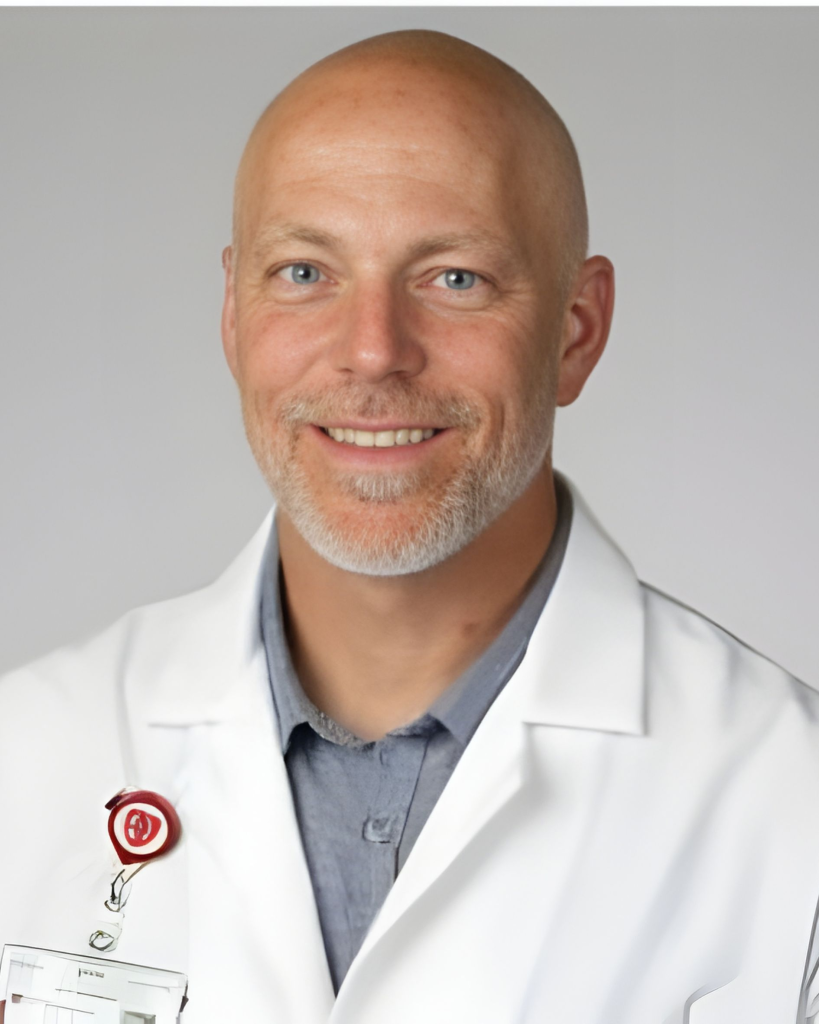
Jared Vagy is a Clinical Associate Professor of Physical Therapy in the Doctor of Physical Therapy program at the University of Southern California. He received his Doctor of Physical Therapy degree from USC and completed a one-year residency in orthopedics followed by a one-year fellowship in movement science. He is an Orthopedic Clinical Specialist and a Certified Strength and Conditioning Specialist. Dr. Vagy also serves as a mentor in both the Orthopedic Residency and the Upper Extremity Elite Athlete Fellowship programs.

He is considered an international authority on rock climbing injuries and is a peer-reviewed, published author in the field. He is the author of the Amazon #1 best-selling Climbing Injury-Free and the forthcoming book The Resilient Climber.

With over 15 years of clinical experience treating climbers of all levels, Dr. Vagy works with athletes ranging from beginners to many of the top climbers in the world. He is an accomplished rock climber, ice climber, and alpinist, and continues to pursue and explore the adventures these disciplines offer.

Learning Objectives:

How ultrasound is used to guide treatment

  • Describe common climbing-related mechanisms of finger symptoms involving the flexor tendon pulley system, flexor tendon sheath, and joint capsule.
  • Explain key ultrasound findings that help support the identification of common finger conditions in rock climbers.
  • Discuss how ultrasound information can be incorporated into treatment planning for climbers with finger injuries.

Return to sport for high level athlete (climbers)

  • Describe key climbing-related demands and movement patterns that influence injury risk and recovery considerations during return to sport.
  • Explain clinical and performance factors that help support decision-making throughout the return-to-sport process for climbers.
  • Discuss how functional testing, workload progressions, and climbing-specific benchmarks can be incorporated into return-to-sport planning for climbers.

Dr. Joshua Richards, MD

Orthopedic Hand and Upper Extremity Surgeon
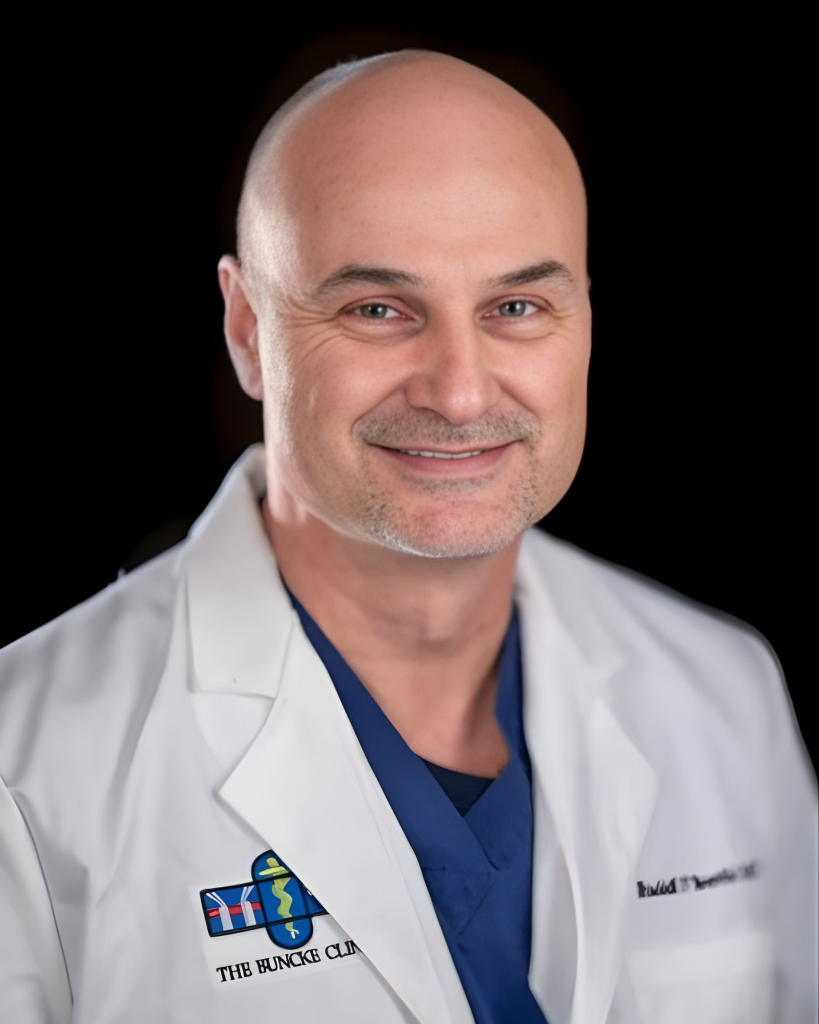
Dr. Richards is board certified in Orthopedic Surgery and has a Certified Additional Qualification for Hand and Upper Extremity Surgery. For over 15 years he has specialized in the treatment of ligamentous, joint, tendon, nerve and bone injuries of the Hand, Elbow, Wrist and Shoulder.

He has served the Bay Area community as a UCSF Assistant Professor as a volunteer educator at San Francisco General Hospital, by teaching and treating complex trauma at the Alameda County Level One Trauma Center-Highland Hospital, and through various volunteer roles on athletic fields around the Bay.

Dr. Richards obtained his Bachelors Degree in Neurobiology at Cornell University, his Masters of Public Health at Columbia University, and his Medical Degree at New York Medical College.

He completed his residency in orthopedic surgery at the San Francisco Orthopedic Residency Program. He then returned to Cornell University’s Hospital for Special Surgery to complete his fellowship training in hand, upper extremity, and microvascular surgery.

Until joining Stanford in 2023, he had been in private practice in the East Bay since 2006. He has volunteered locally in a variety of organizations and internationally on several continents.

Learning Objectives:

Diagnosis, Treatment and the Role of Early Motion in Distal Humerus Fractures

  • Understand the different types of distal humerus fractures
  • Understand the different types of fixation methods
  • Understand how these factors determine Post operative care and Outcomes

Dr. Rudolph Buntic, MD

Hand and Microsurgery Fellowship Director at The Buncke Clinic.
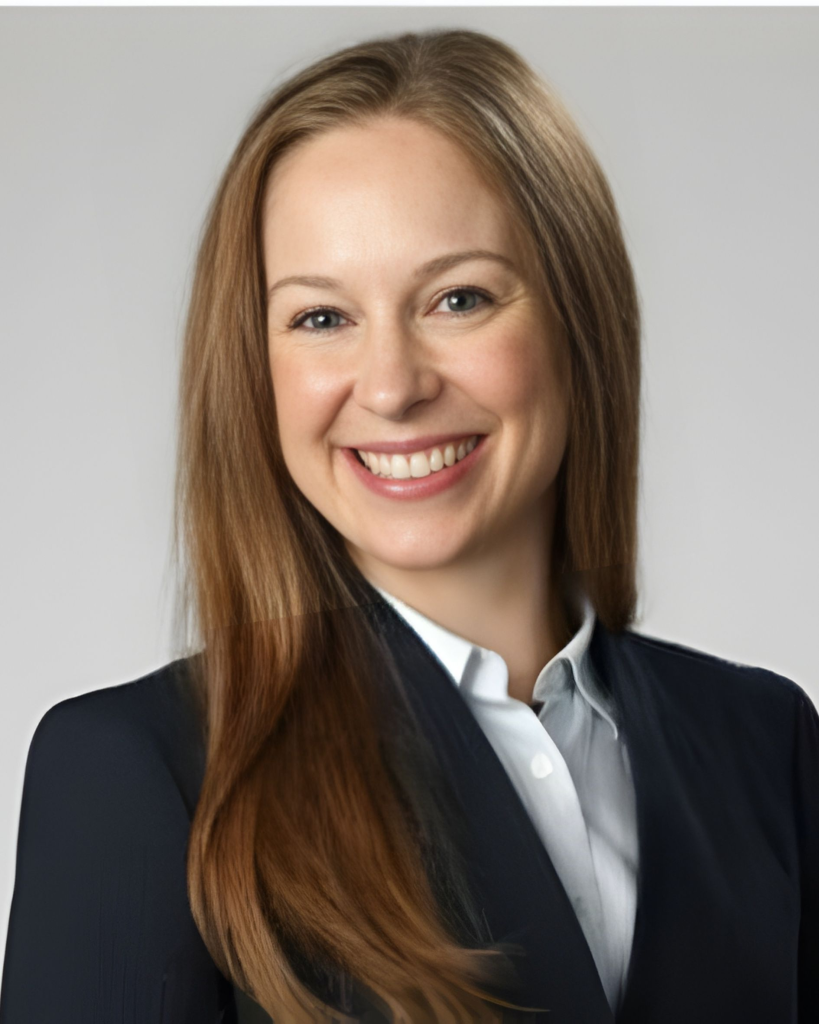
Dr. Buntic is the Hand and Microsurgery Fellowship Director at The Buncke Clinic. He completed his post-graduate residency training in general and plastic surgery at Stanford University, followed by a fellowship in hand and microsurgery at Davies Medical Center in San Francisco under the mentorship of Drs. Harry and Gregory Buncke.

Dr. Buntic is board certified in Plastic Surgery by the American Board of Plastic Surgery and holds additional board certification in the Subspecialty of Surgery of the Hand. He serves as an Associate Professor Affiliated in Plastic Surgery at Stanford University and is a member of the Clinical Faculty at the University of California.

He is an active member of several professional societies, including the American Association of Plastic Surgeons, the American Society of Plastic Surgeons, and the American Society for Reconstructive Microsurgery. Dr. Buntic has authored numerous scientific articles and book chapters and has presented nationally on a wide range of topics in plastic, hand, and microsurgery.

Learning Objectives:

Microsurgical Repairs and Replants

  • Describe the principles and indications for microsurgical repair and replantation in traumatic upper-extremity injuries, including factors that influence surgical decision-making.
  • Identify common surgical techniques used in microsurgical repair and digit/limb replantation, including vascular anastomosis, nerve repair, and soft-tissue management.
  • Discuss postoperative considerations and rehabilitation implications for hand therapists, including precautions, expected healing timelines, and factors that influence functional outcomes.

Surgeon Perspective on Managing PIPJ Injuries

  • Review the common mechanisms and patterns of proximal interphalangeal (PIP) joint injuries, including ligamentous, volar plate, and fracture-dislocation injuries encountered in clinical practice.
  • Describe the surgeon’s approach to evaluation and management of PIP joint injuries, including indications for nonoperative care, surgical intervention, and commonly used surgical techniques.
  • Discuss postoperative management and rehabilitation considerations for hand therapists, including protection strategies, timing of motion, and factors that influence functional recovery and stiffness prevention.

Dr. Anne Elizabeth Goldring, MD

Sports and Spine Physiatrist at Stanford Medicine
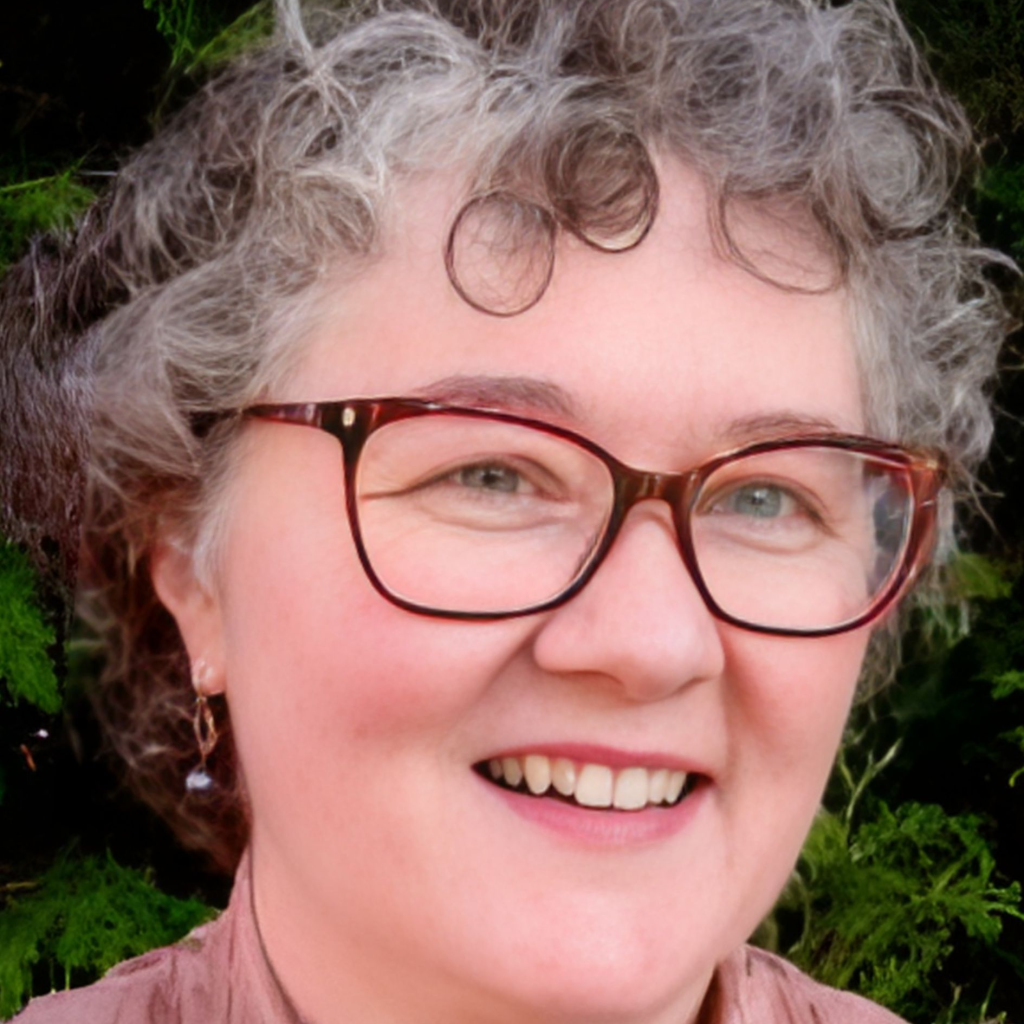
Dr. Goldring is a board-certified, fellowship-trained physiatrist with Stanford Health Care Orthopaedics and Sports Medicine. She is clinical assistant professor in the Department of Orthopaedic Surgery, Division of Physical Medicine and Rehabilitation, at Stanford University School of Medicine. Dr. Goldring completed a Physical Medicine and Rehabilitation (PM&R) residency at Northwestern University in Chicago, followed by fellowship training in Sports and Spine at the Hospital for Special Surgery in New York.

Dr. Goldring’s clinical practice focuses on the non-operative management of musculoskeletal injuries and spine disorders. She specializes in delivering comprehensive care for a range of conditions, including sports-related injuries, osteoarthritis, neck, and back pain. She is focused on optimizing patient function, with the goal of helping patients return to their desired activities and prevent future injury. She believes that movement is medicine and wants to help patients achieve active, healthy lifestyles. She provides guidance throughout a physical rehabilitation course with personalized physical therapy prescriptions and exercise plans. When necessary, she also offers more aggressive interventions like injection therapies or surgical referrals. Her practice includes the use of diagnostic electromyograms (EMGs), ultrasound-guided musculoskeletal injections, shockwave therapy, Ortho biologics, such as platelet rich plasma (PRP), and fluoroscopic-guided lumbosacral spine injections.

Dr. Goldring has published articles in PM&R, Journal of Surgical Research, and The Physician and Sportsmedicine. She has delivered presentations and lectures all over the nation, including in Chicago, New Orleans, and New York. Her research and presentations have covered topics ranging from women’s sports medicine, improving medical education curriculum, ergonomic interventions in the workplace, and the impact of intensive lifestyle medicine programs on musculoskeletal pain.

Dr. Goldring is a member of the American Medical Society for Sports Medicine, American Academy of Physical Medicine and Rehabilitation, Association of Academic Physiatrists, and Spine Intervention Society. She has provided sideline coverage at multiple athletic events, including the Bank of America Chicago Marathon, the Long Island Nets basketball, and United Soccer League (USL) games.

Learning Objectives:

Non-Operative Procedural Treatment Options for Medial and Lateral Epicondylitis (There’s more than just corticosteroid injections)
  • Understand the diagnosis and pathophysiology of Medial and Lateral Epicondylitis 
  • Identify the various non-operative procedural treatment options (i.e. shockwave therapy (ESWT), percutaneous needle tenotomy (PNT), Tenjet/Tenex, and platelet rich plasma (PRP)) and their intended mechanism of action, as well as outcome 
  • Review the rehabilitation protocols after specific treatments 

Tara Packham, PhD, OTReg(Ont)

Occupational therapist, researcher and educator
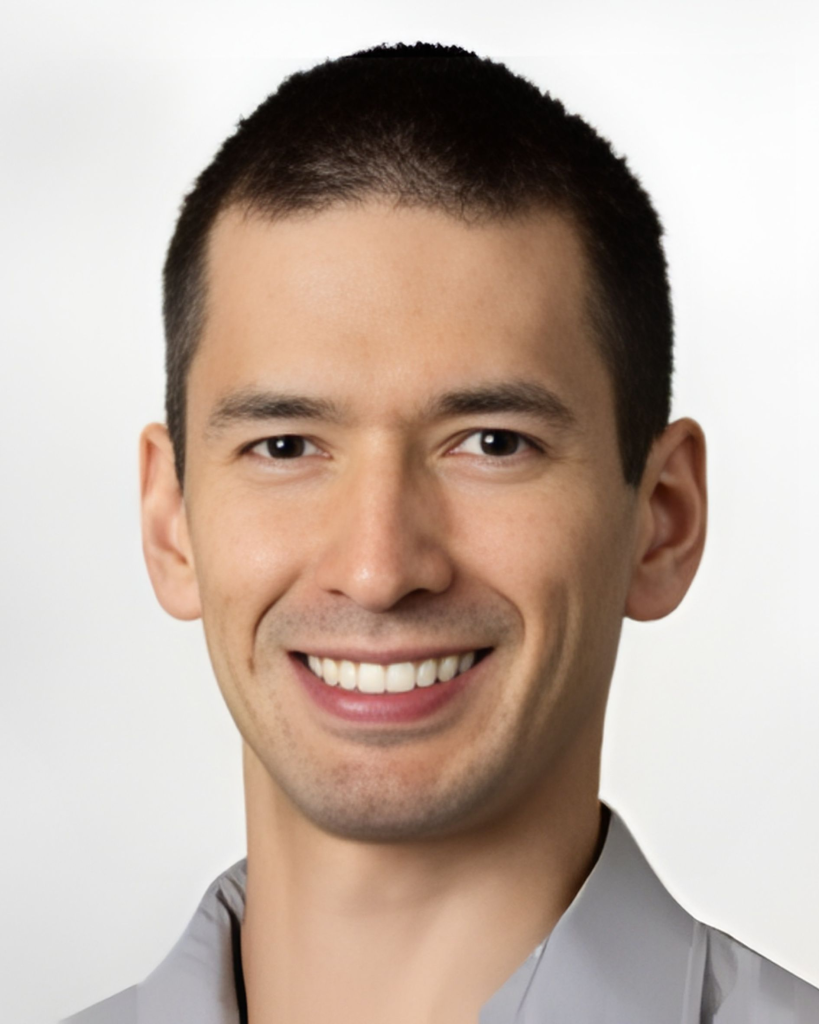
Dr. Tara Packham, OTReg.(Ont.), PhD is an occupational therapist, researcher and educator in the School of Rehabilitation Sciences at McMaster University in Hamilton, Ontario Canada.  She has over 25 years of clinical experience in hand therapy, and a passion for advancing care of painful hand conditions. Her research addresses clinical measurement and moving evidence into practice, often at the intersection of the topic areas of pain and upper extremity disorders. She has contributed to over 80 peer reviewed publications and several book chapters.  Tara is an active member of the Canadian Society of Hand Therapists and an officer of the Complex Regional Pain Syndrome special interest group at the International Association for the Study of Pain.  She is currently serving as Editor-in-Chief at Hand Therapy and as an editorial board member for the Journal of Hand Therapy.

Learning Objectives:

Measuring up to the challenge of pain assessment
  • Differentiate between pain phenotypes  (nociceptive, inflammatory, neuropathic, and nociplastic)
  • Understand the overlap in the assessment of nociception, neuropathic pain and sensation
  • Select and administer psychophysical and self-reported evaluations for pain, pain interference, and pain beliefs
Handling the complexity of complex regional pain syndrome
  • Differentiate between acute and persistent pain mechanisms and those proposed for CRPS
  • Select and use pain and CRPS evaluations in practice
  • Understand the current scope of evidence for CRPS interventions
  • Apply knowledge of CRPS mechanisms to treatment selection and grading

Dr. Travis Miller, MD

Clinical Assistant Professor, Surgery - Plastic & Reconstructive Surgery
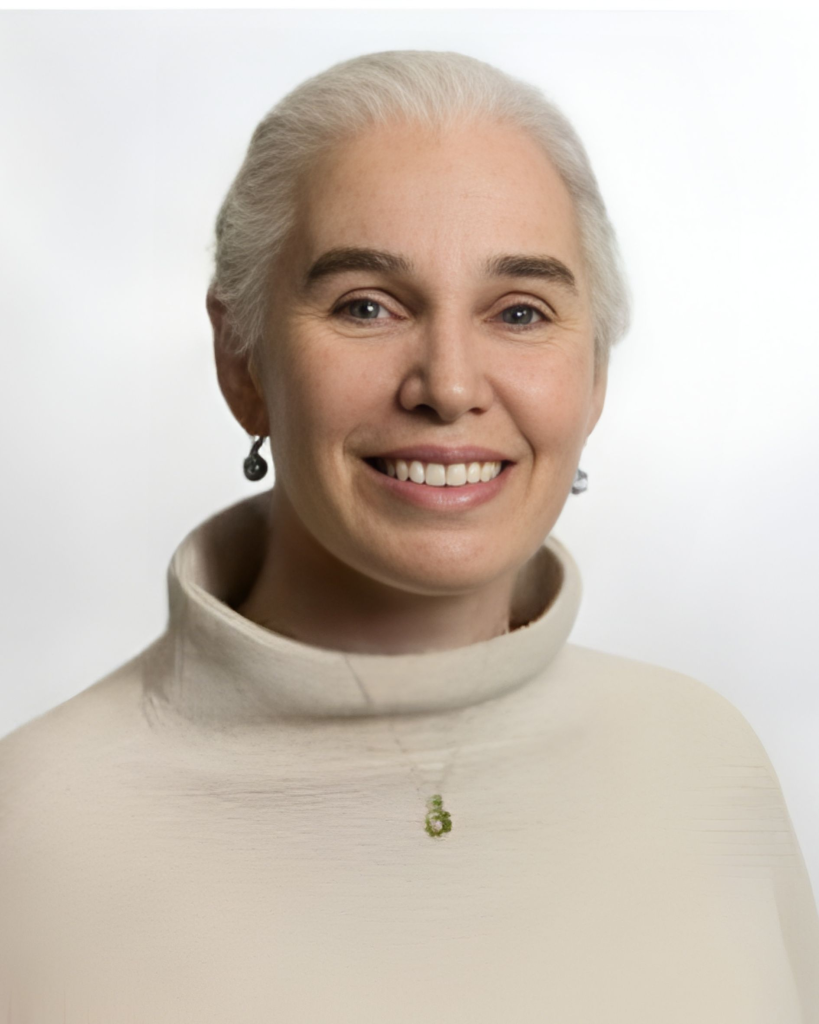
Dr. Travis Miller is a fellowship-trained plastic and reconstructive surgeon at Stanford Health Care. He is a Clinical Assistant Professor in the Department of Surgery, Division of Plastic & Reconstructive Surgery at Stanford University School of Medicine.

Dr. Miller specializes in plastic surgery from head to toe with additional training in hand and microsurgery. He treats a multitude of conditions of the hand and upper extremity, including carpal tunnel syndrome, trigger finger, hand and wrist fractures, wrist pain and instability, arthritis, cubital tunnel syndrome, Dupuytren’s, and brachial plexus injury. He specializes in complex reconstruction all over the body using both local tissues and free tissue transfer. He has a special interest in peripheral nerve surgery, including treating nerve compression syndromes, tumors, traumatic injuries, amputation pain, neuromas, and migraines. He also performs aesthetic surgery, and for all his patients he strives to achieve their functional and cosmetic goals.

Dr. Miller received his medical degree from the University of Texas Southwestern Medical School where he graduated first in his class. He completed his residency in plastic and reconstructive surgery through Stanford University School of Medicine. Before pursuing a fellowship in Hand and Microsurgery at the University of Washington, he also completed an in-residency fellowship at the Buncke Clinic in San Francisco, widely considered the birthplace of microsurgery.

Dr. Miller has an extensive research background. He collaborated with a team that invented and patented a medical device used for coiled surgical tools and catheters. In addition to book chapters and monographs, he has written numerous peer-reviewed journal manuscripts that have been published in journals such as The Journal of Hand Surgery, The Journal of Surgical Oncology, Microsurgery, and Plastic and Reconstructive Surgery. Dr. Miller has presented his research at regional, national, and international meetings.

Learning Objectives:

Renervation and Denervation: Nerve targeted therapies for hand pain

  • Learning Objectives:
  • Learners will have a basic understanding of the pathophysiology of arthritic and neuropathic pain of the hand
  • Neuroma management for traumatic nerve injuries will be discussed, including the use of targeted muscle reinnervation and regenerative peripheral nerve injuries
  • Denervation procedures for the wrist and hand joints will be highlighted including technical aspects and approaches
  • Learners will have an understanding for expected outcomes and implications in hand therapy protocols for denervation and reinnervation procedures

Dr. Catherine Curtin, MD

Professor of Surgery (Plastic & Reconstructive Surgery) and, by courtesy, of Orthopaedic Surgery

Dr. Catherine Curtin is a plastic/hand surgeon. Her clinical focus is peripheral nerve surgery and upper limb reconstruction. She attended Wellesley college and Yale University for medical school. She did her residency at the University of Michigan and her hand fellowship at Stanford University. She completed the Robert Wood Johnson Clinical Scholars Fellowship. Dr. Curtin has specialized in hand surgery and peripheral nerve surgery. She has a particular interest in improving the upper limb function for people with spinal cord injury. She is also interested in nerve pain and the role of surgery to help this pain. Her research focuses on both these areas: upper limb function for spinal cord injury and treatment of neuropathic pain.

Learning Objectives:

Diagnosis of Nerve Injury – Digging Deep into the Physical Exam

  • Expand the scope and depth of the upper-extremity physical examination for suspected nerve injury, including key sensory and motor assessments that help localize the level of pathology.
  • Identify clinical pearls for recognizing less common peripheral nerve entrapments, with emphasis on subtle examination findings that may help differentiate these conditions from more common compressive neuropathies.
  • Correlate physical examination findings with underlying nerve anatomy and injury patterns, supporting more accurate diagnosis, referral decisions, and collaboration between surgeons and hand therapists.